Decision Sciences
About
I am Yasaman. I am a decision scientist. I got my PhD in Management Science from the Information Technology and Decision Sciences department at the University of North Texas. I am passionate about exploring people’s attitudes towards using cutting-edge technologies in their daily lives and helping companies better understand their potential customers. I created this page to share my research ideas and findings with everyone.
S. Yasaman Amirkiaee, PhD
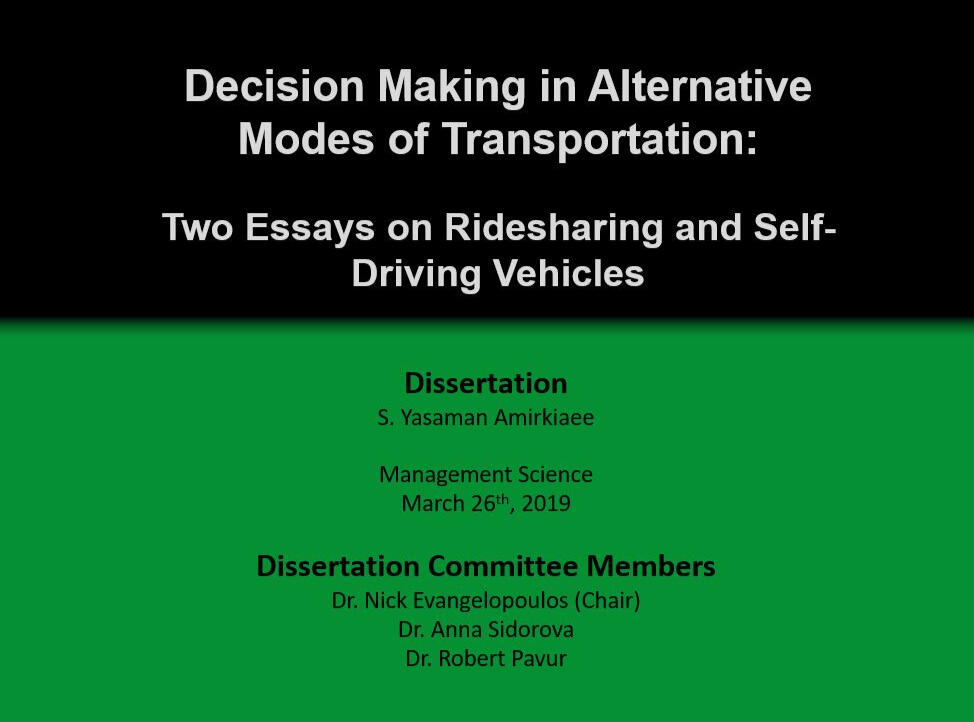
Decision Making in Alternative Modes of Transportation
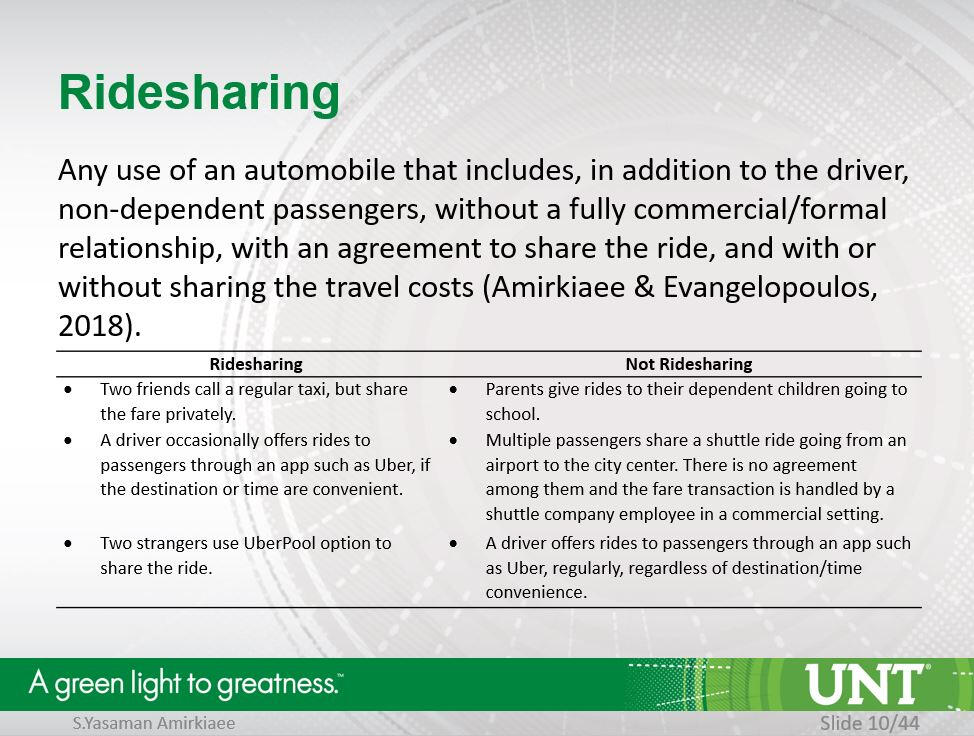
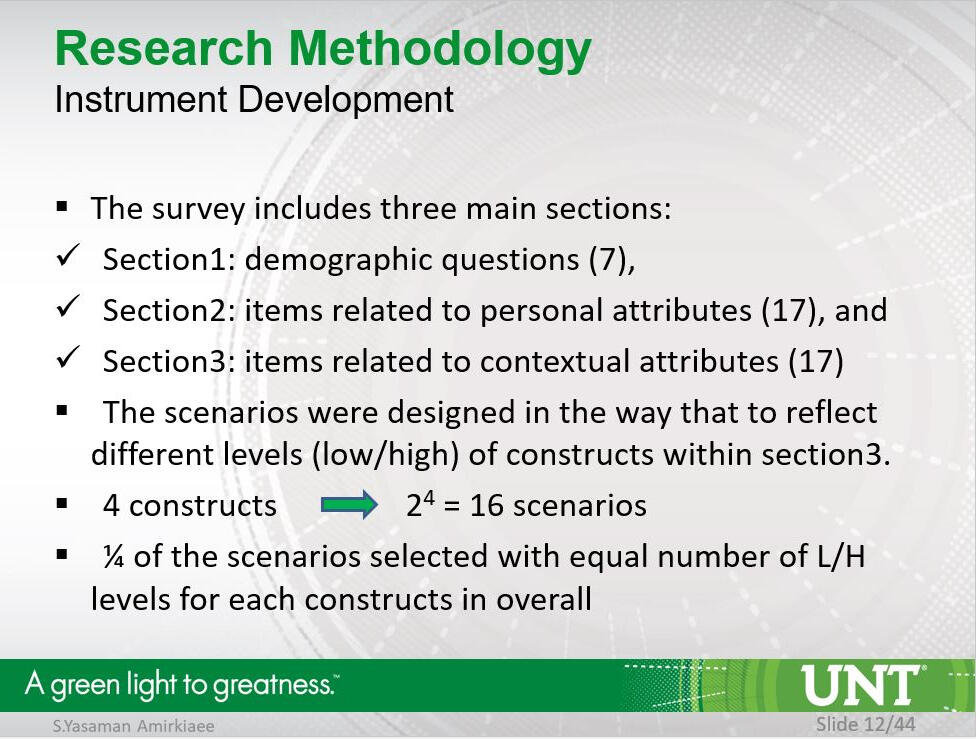
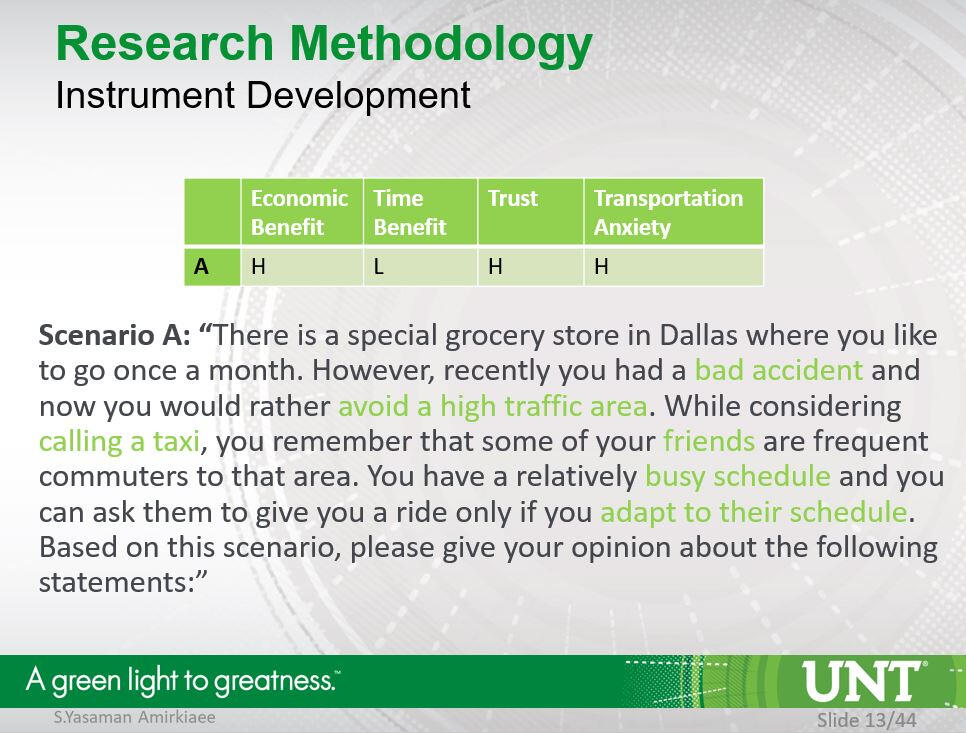
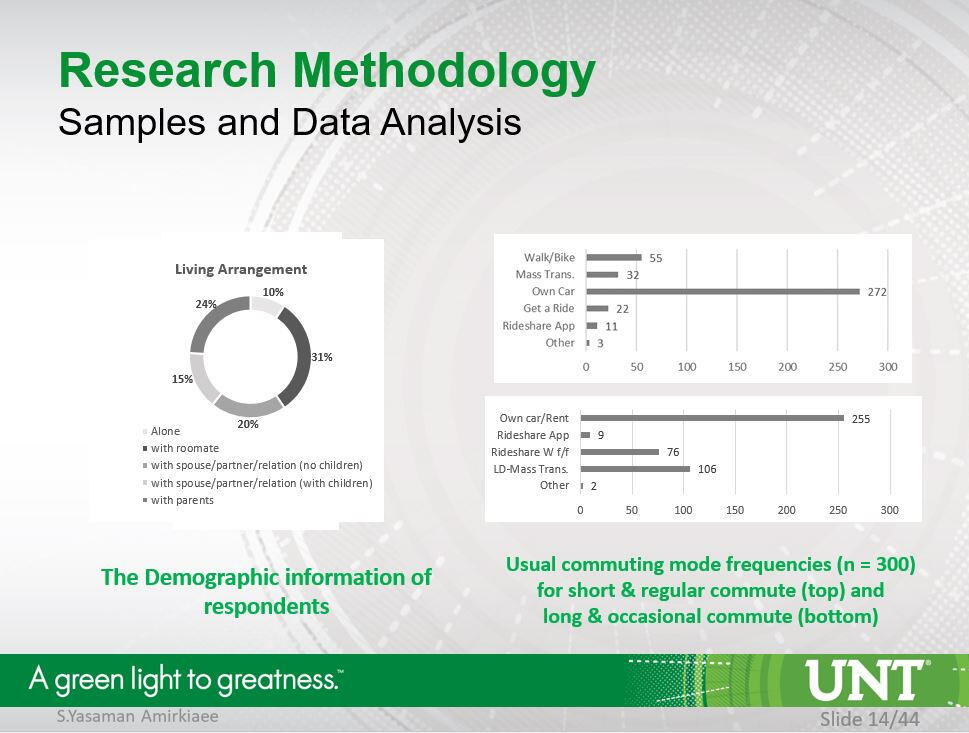
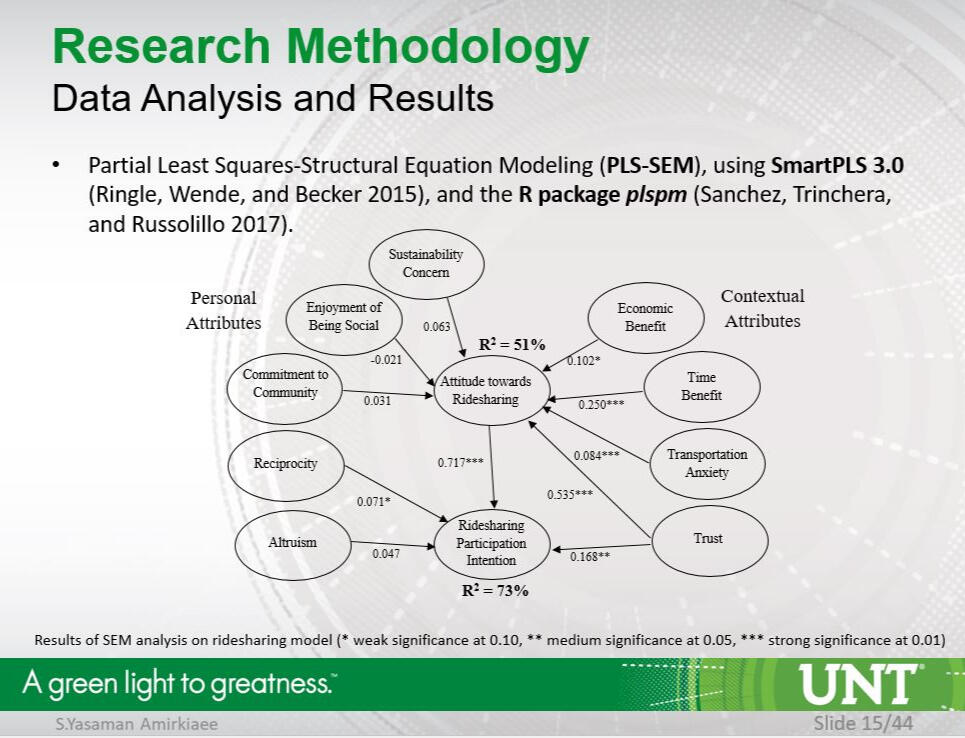
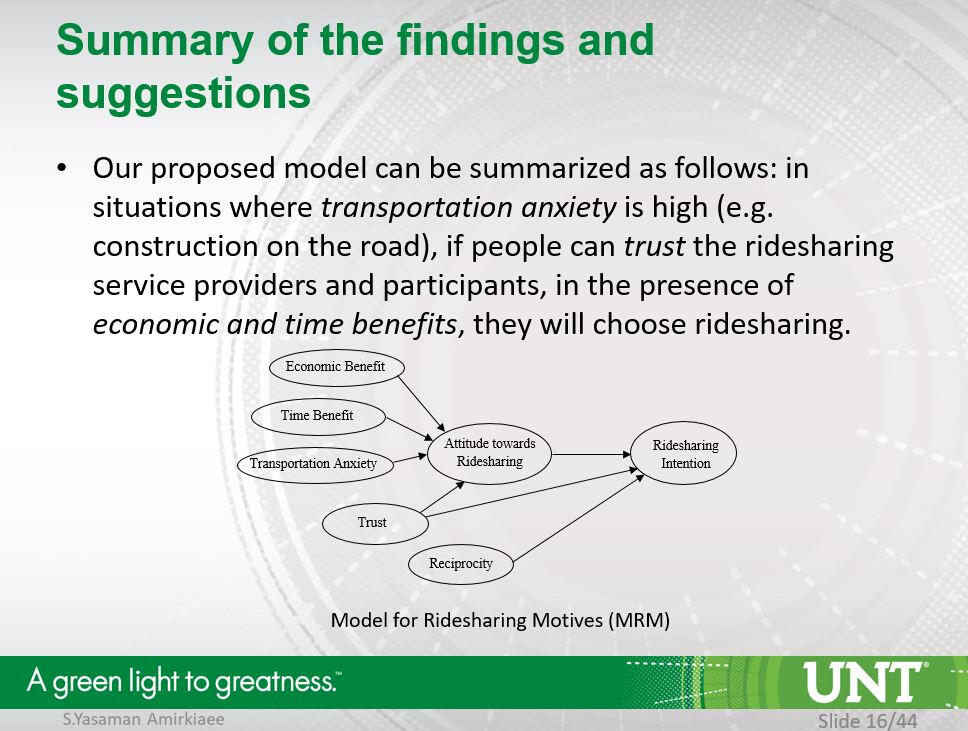
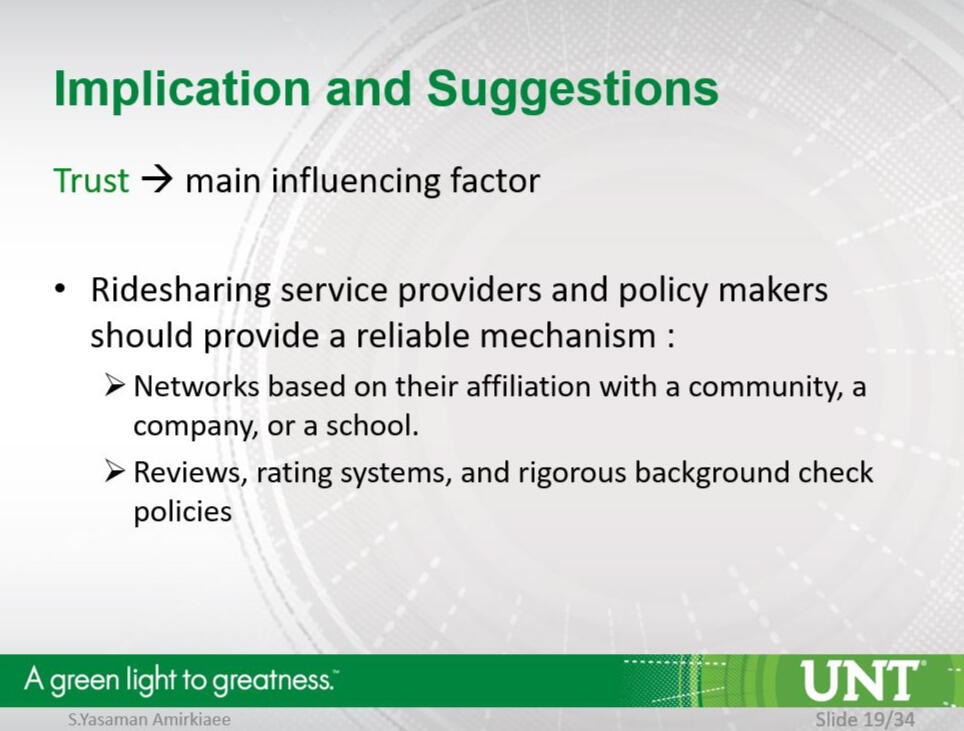
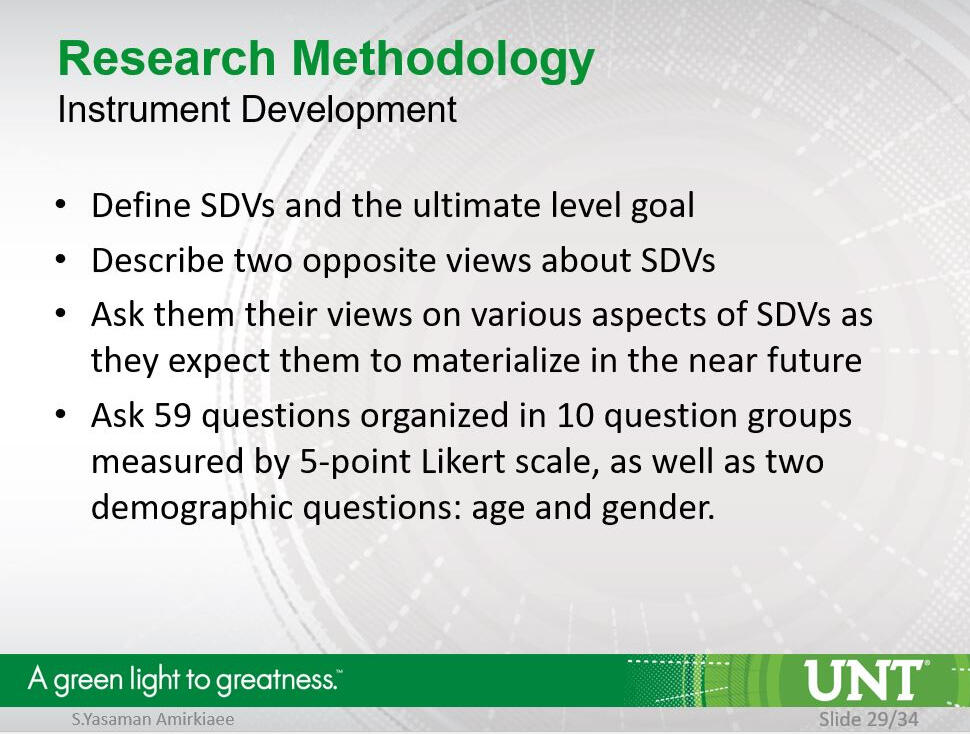
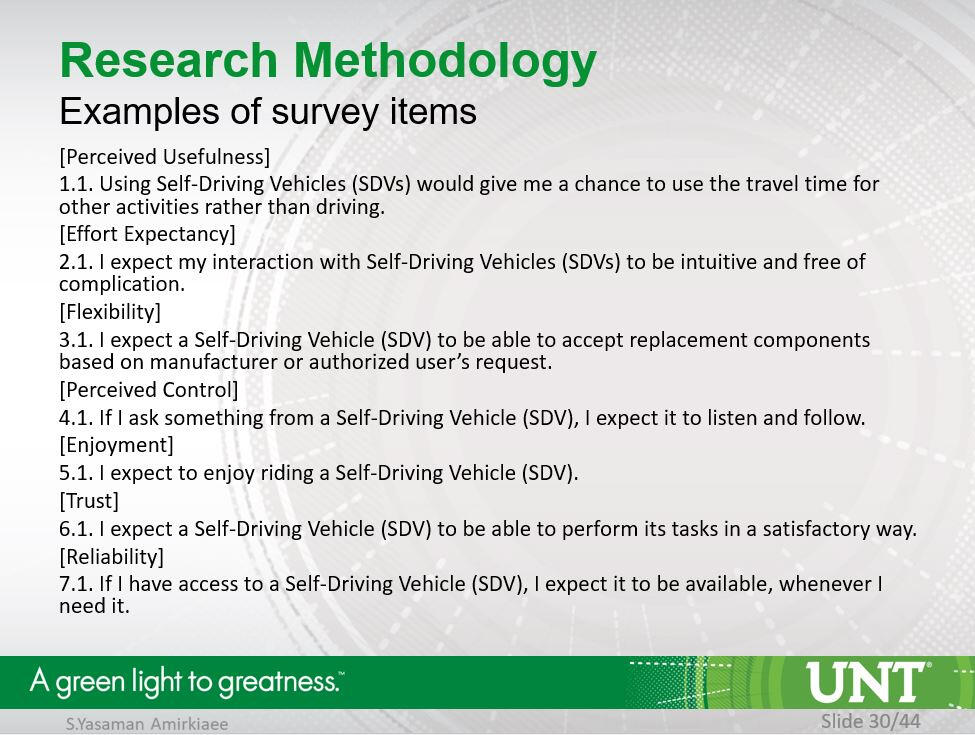
The project that I have done as my PhD dissertation is about investigating people’s motives to use a specific transportation mode, such as ridesharing or self-driving vehicles. I developed a scenario-based survey for investigating people's attitudes towards ridesharing and another survey specifically for people’s expectations of self-driving vehicle features!
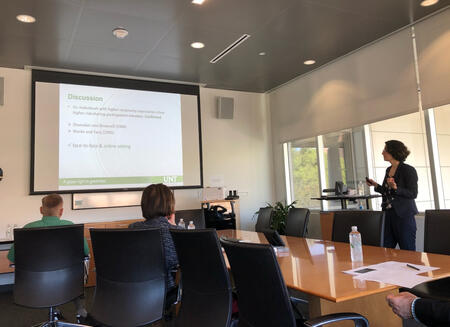
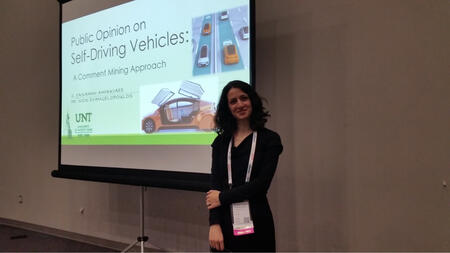
Public Opinion on Self-Driving Vehicles
I worked on this project from Aug 2017 to Oct 2017. I presented the result of this project in 2017 INFORMS Annual Meeting, Houston, 22-25 October.
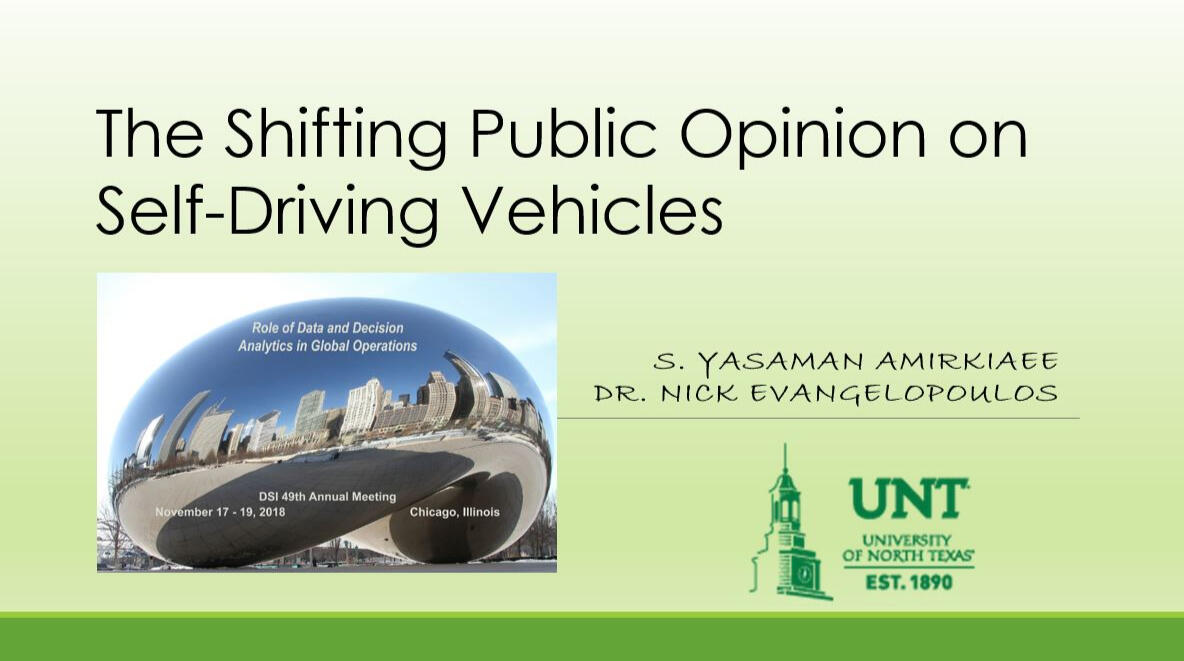
The Shifting Public Opinion on Self-Driving Vehicles
I worked on this project from Oct 2018 to Nov 2018. I presented the result of this project in 2018 DSI Annual Meeting, Chicago, 17-20 November.

Decision Making in Alternative Modes of Transportation
Similar to the introduction of power grid, and telecommunication networks during the 20th century, the 21st century is slated to bring about universal access to transportation services. Ride sourcing/sharing companies like Uber with the mission of making “transportation as reliable as running water everywhere, for everyone” (Uber blog, 2016) are leading this mobility paradigm. The elements of this revolution are already in the works: AI-enabled algorithms, self-driving vehicles, ridesharing apps, and collaborative consumption models. Some of these elements are Information and Communication Technologies (ICTs), some are electromechanical vehicle technologies, while some others are sociotechnical market models.
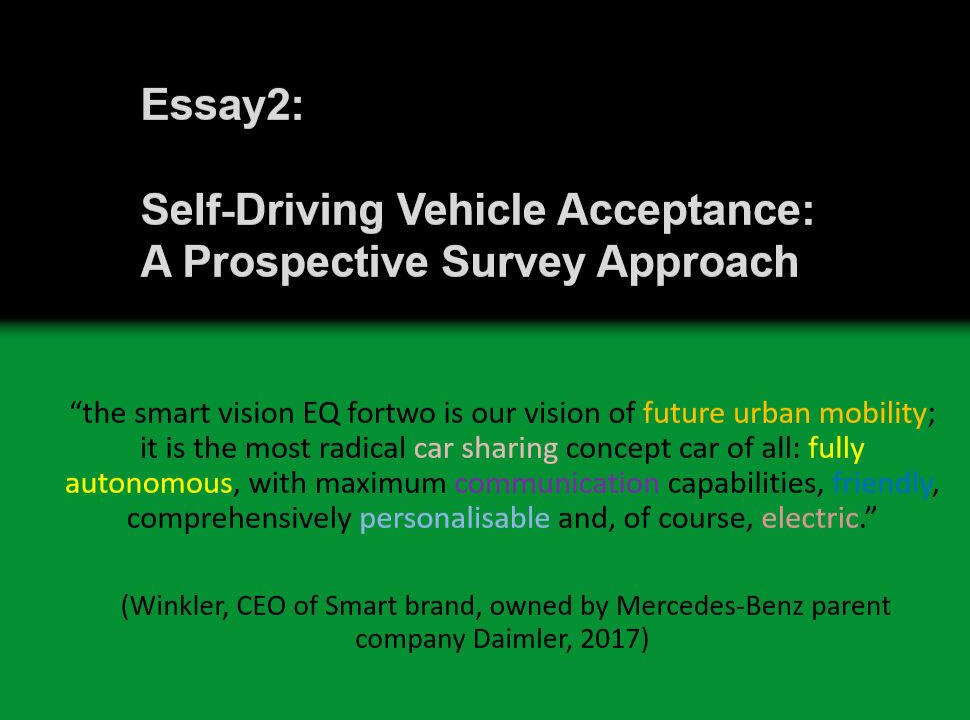
The Smart brand, owned by Mercedes-Benz parent company Daimler, is one of the main pioneers who are combining many of these elements to form the future urban mobility paradigm. As its CEO put it during her introduction of the Smart Vision EQ Fortwo concept vehicle, “the smart vision EQ fortwo is our vision of future urban mobility; it is the most radical car sharing concept car of all: fully autonomous, with maximum communication capabilities, friendly, comprehensively personalisable and, of course, electric.” (Daimler, 2017). Now, as all these are coming together, the way that consumers purchase transportation and interact with vehicles will be affected dramatically (Bailo, et al., 2018).
Against this backdrop, a number of new research questions arise regarding the consumers’ point of view. This research is interested in the following:
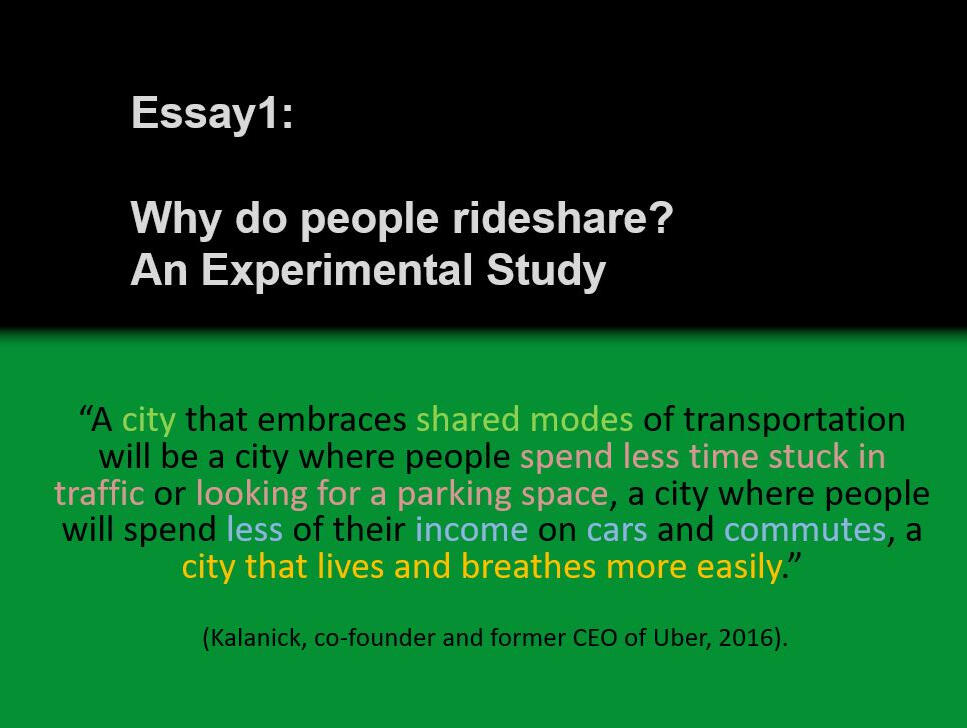
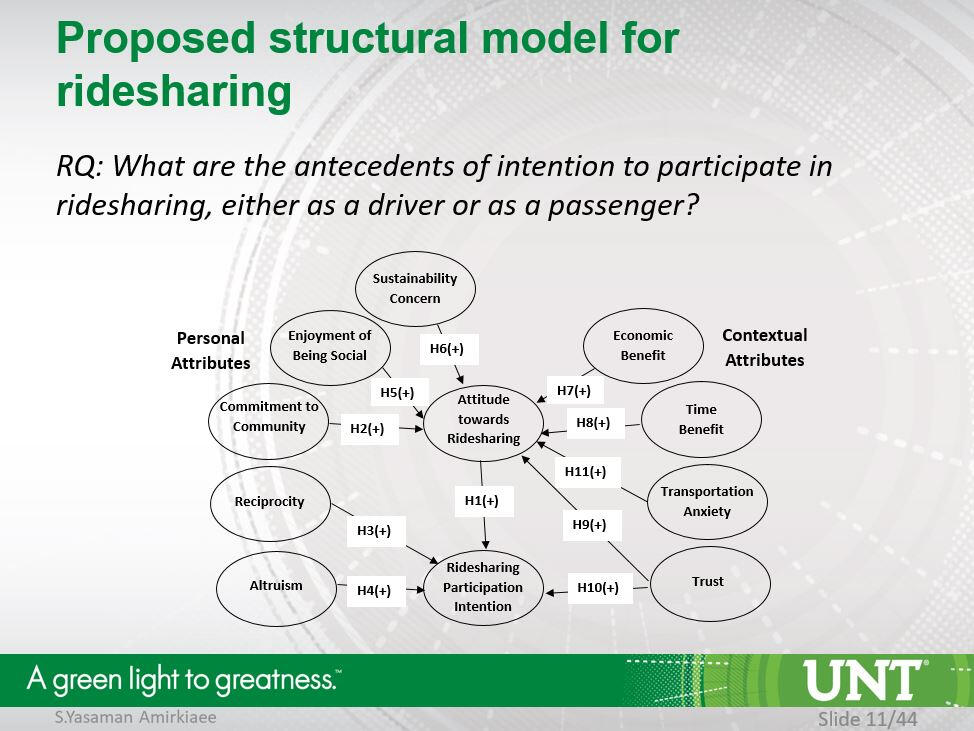
Q1) What are the antecedents of intention to participate in ridesharing, either as a driver or as a passenger? published paper
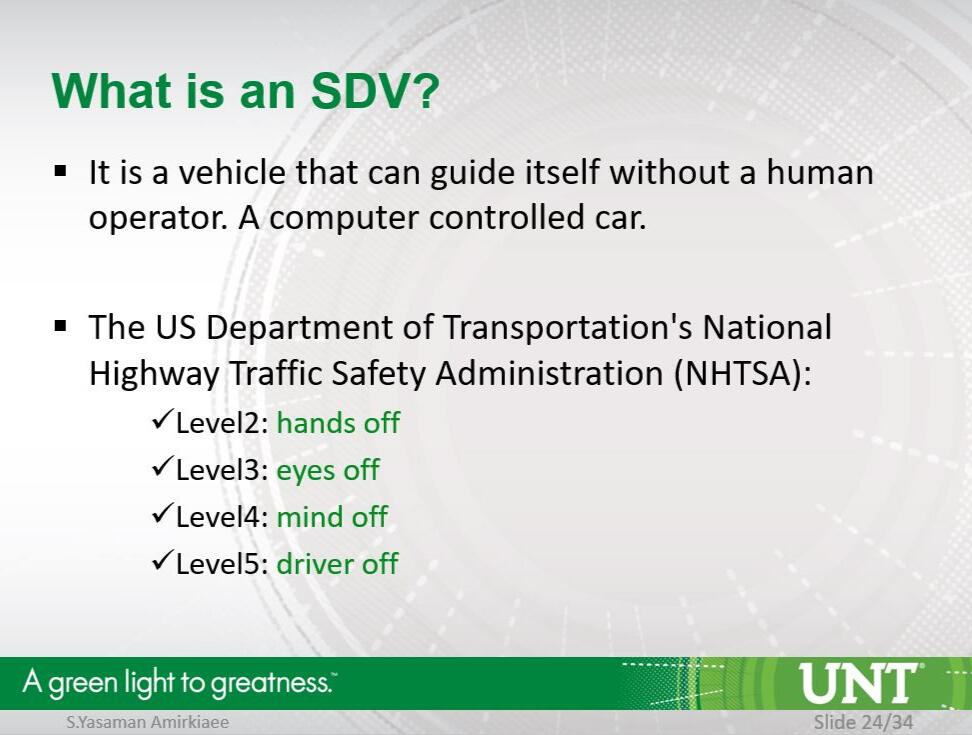
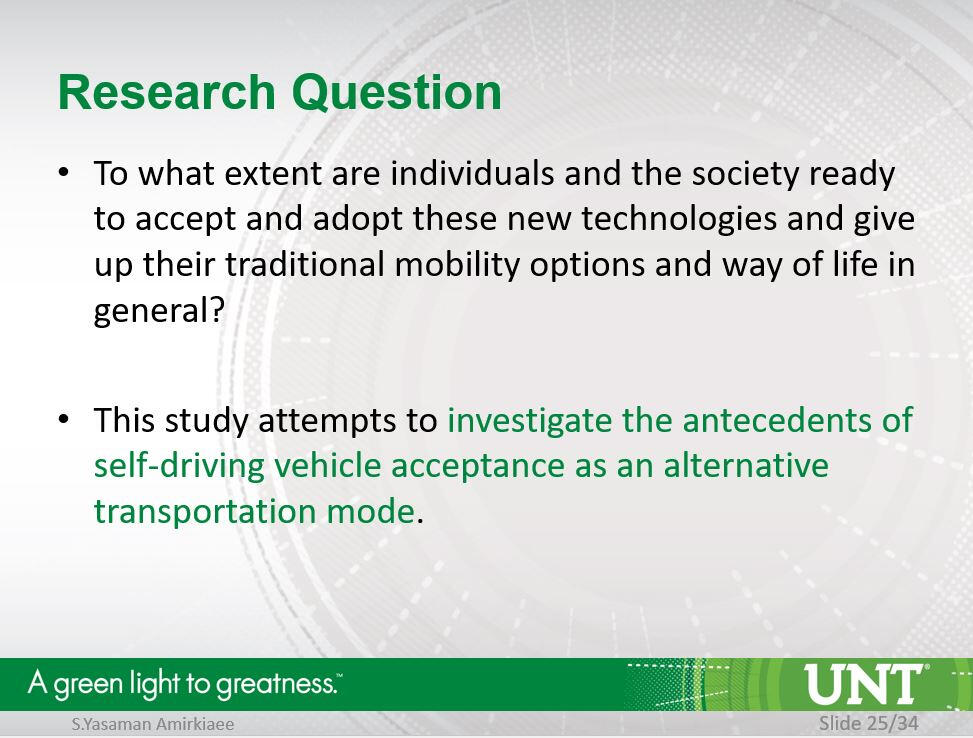
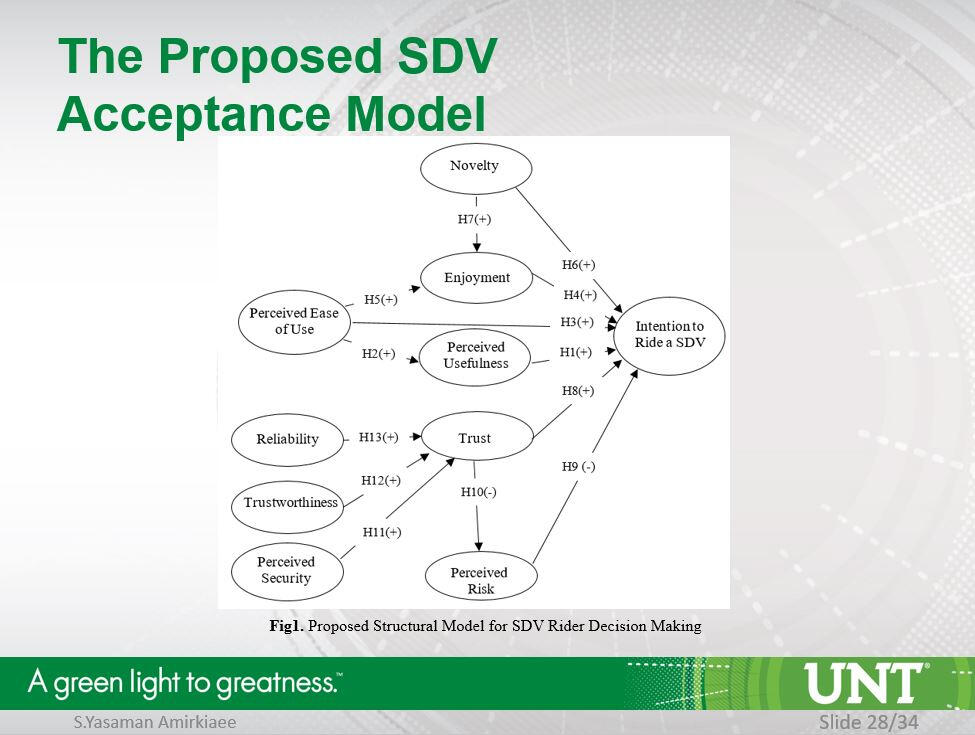
Q2) What are the antecedents of self-driving vehicle acceptance as an alternative transportation mode?


Public Opinion on Self-Driving Vehicles: A Comment Mining Approach
Aug 2017 – Oct 2017
Presented in 2017 INFORMS Annual Meeting, Houston, 22-25 October
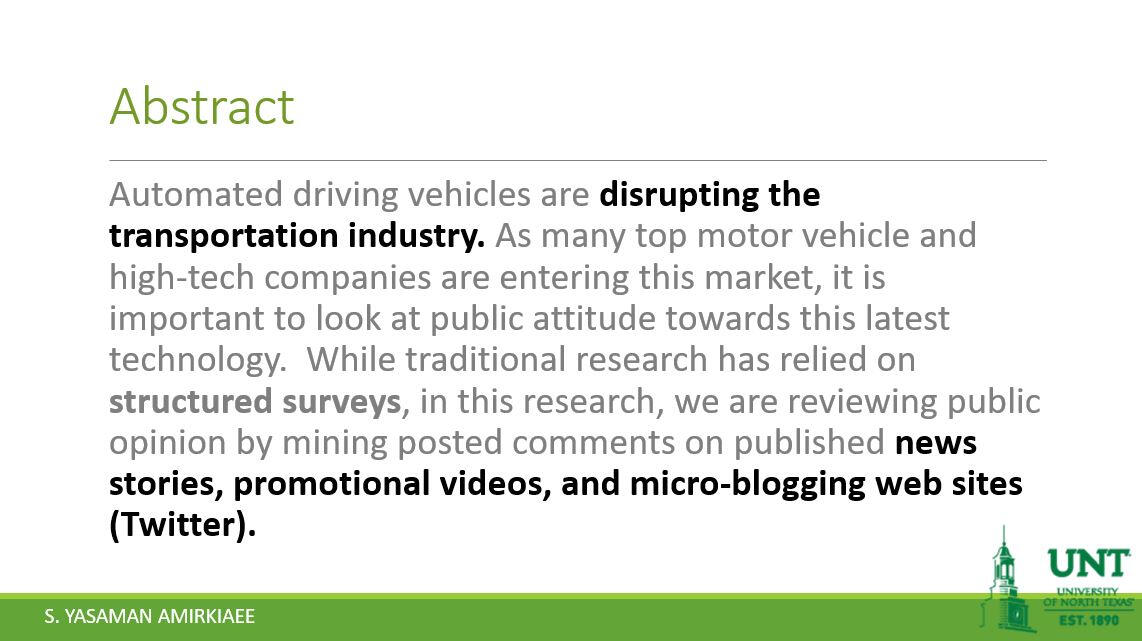
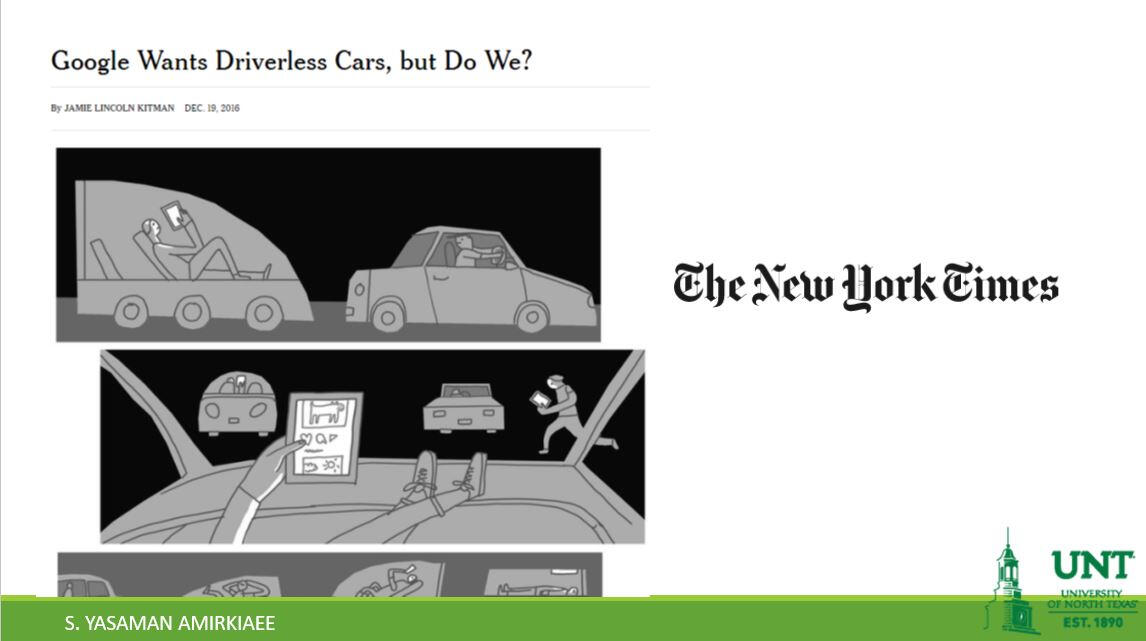
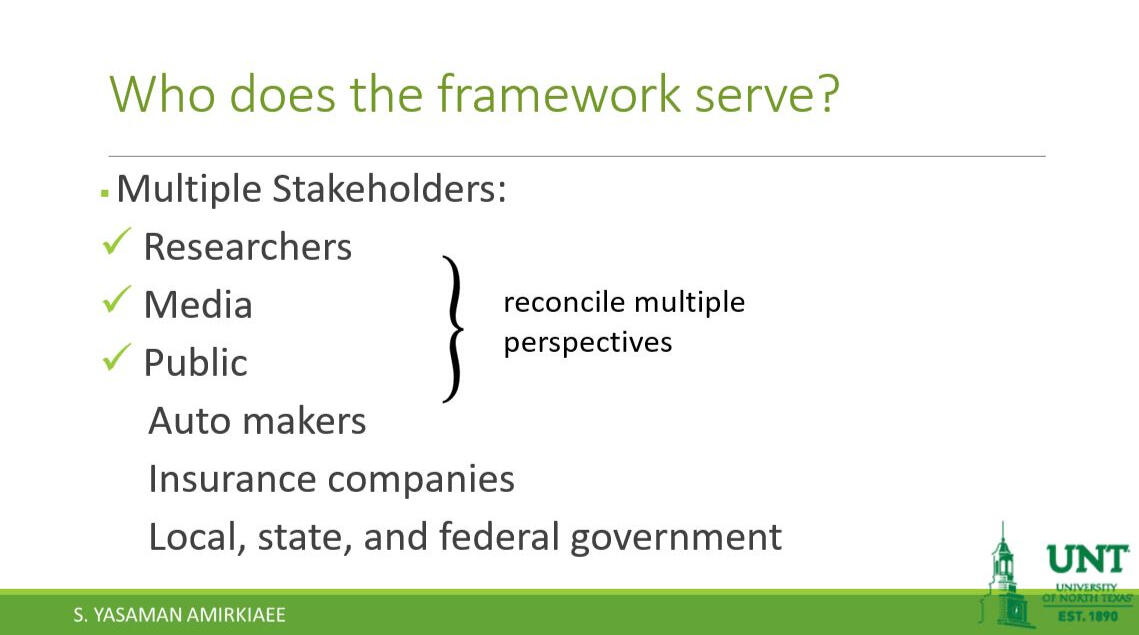
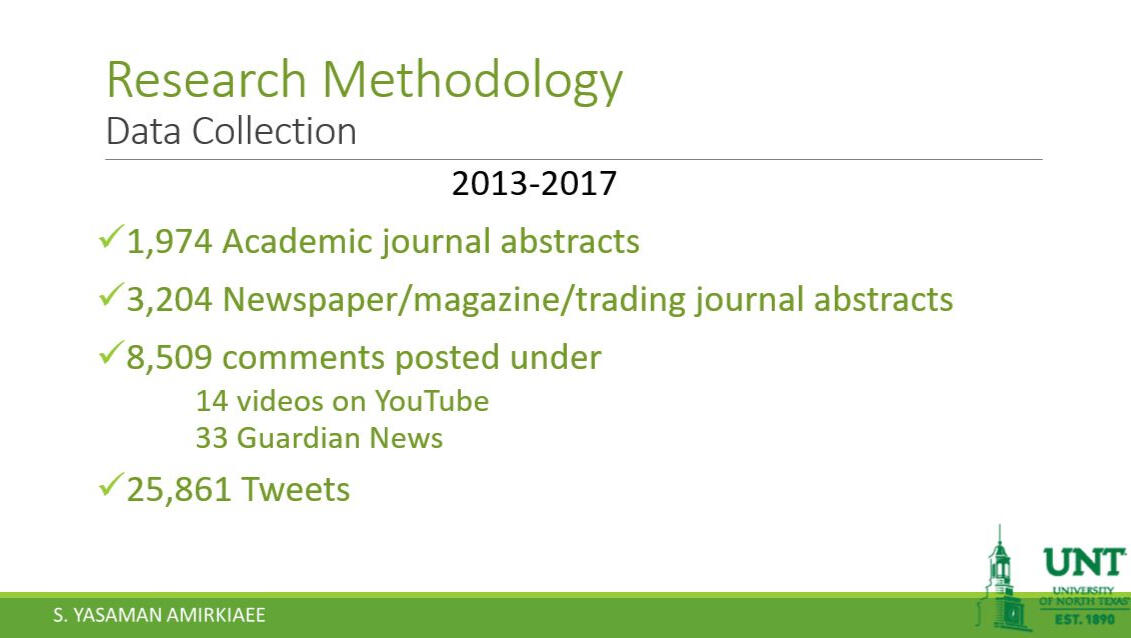
Examined public opinion on autonomous cars by mining posted comments on published news stories, promotional videos, and micro-blogging web sites (Twitter).Collected data, so that it reflects and reconciles multiple stakeholders' perspectives, including researchers, media, and the public. So, I gathered: 1,974 Academic journal related abstracts
3,204 Newspaper/magazine/trading journal related abstracts
8,509 related comments posted under14 videos on YouTube, 33 Guardian News
25,861 Tweets
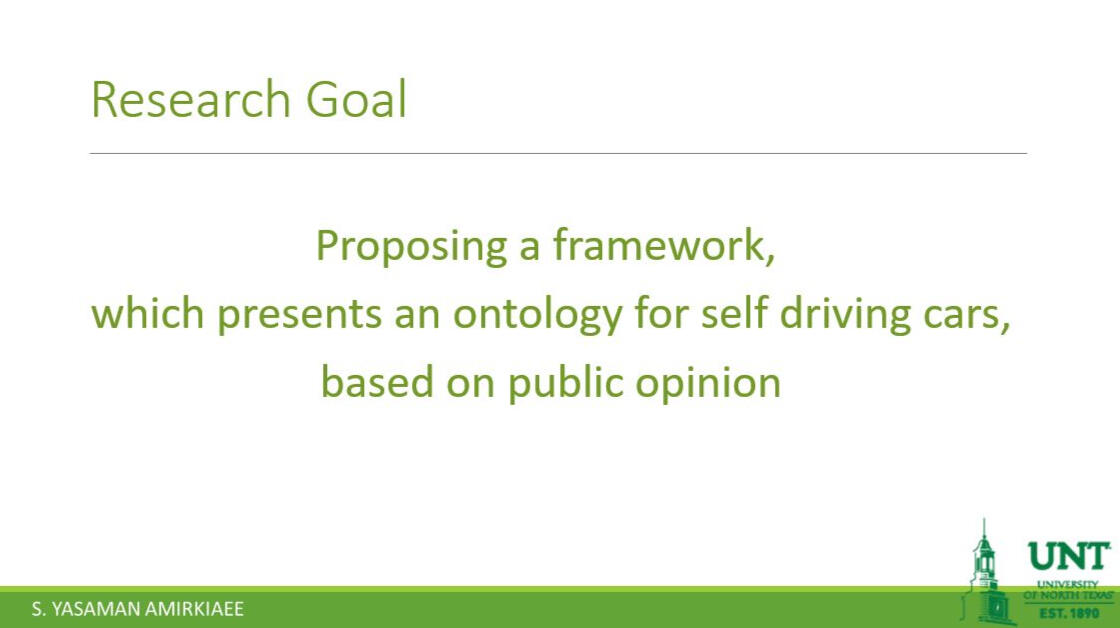
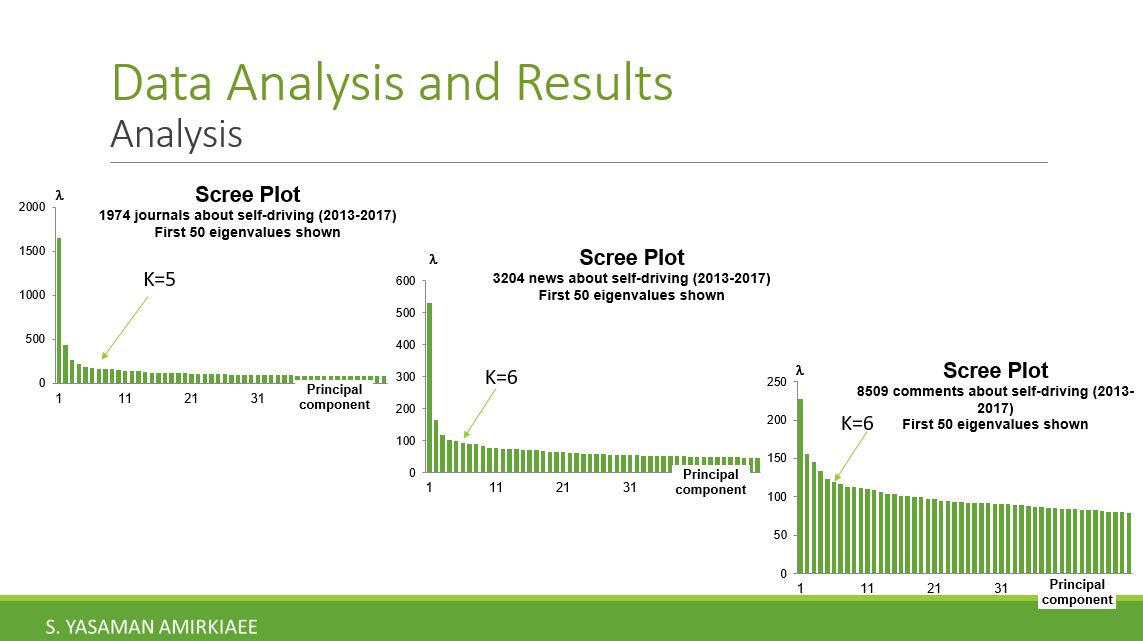
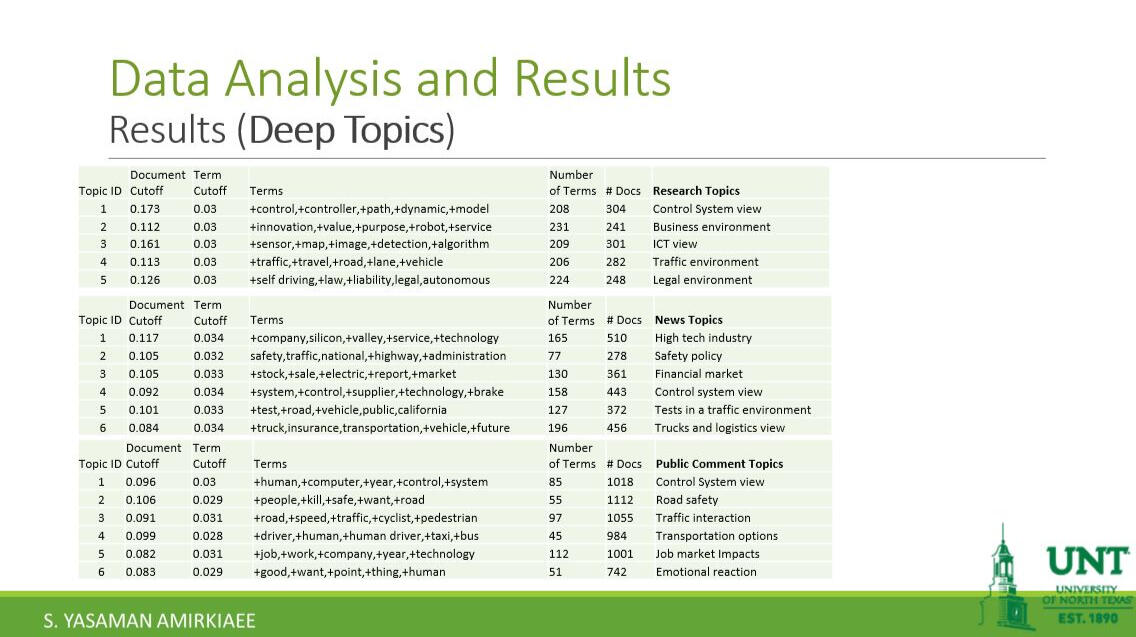
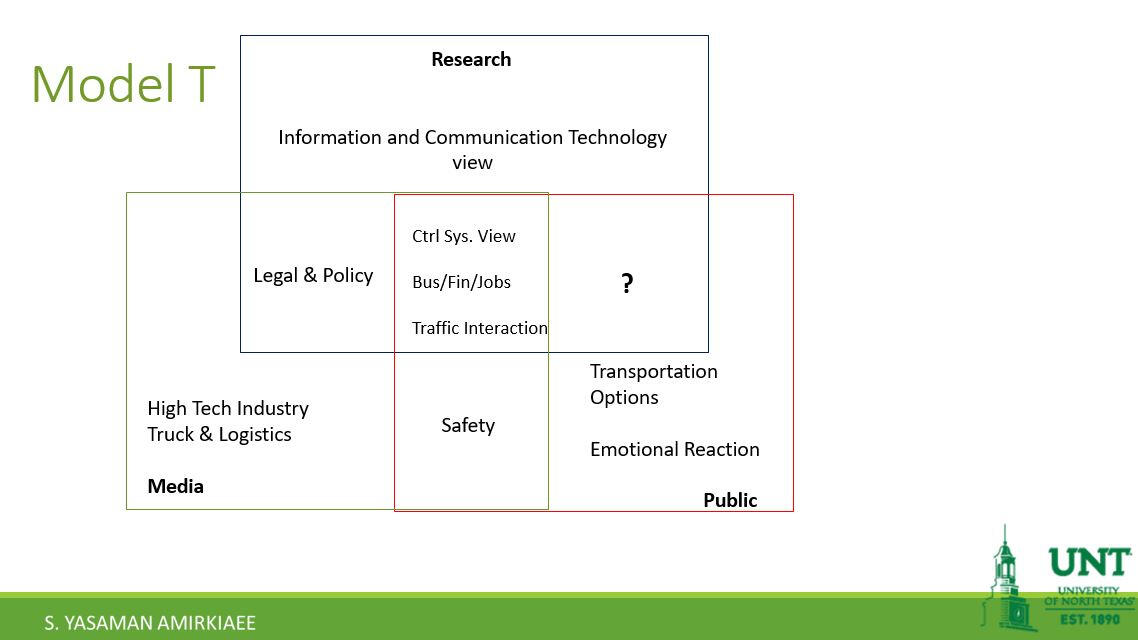
Extracted terms and topics with Latent Semantic Analysis (LSA), using the singular value decomposition approachProposed a framework, which presents an ontology for self-driving cars, based on public opinion
Some of the results of the analysis:
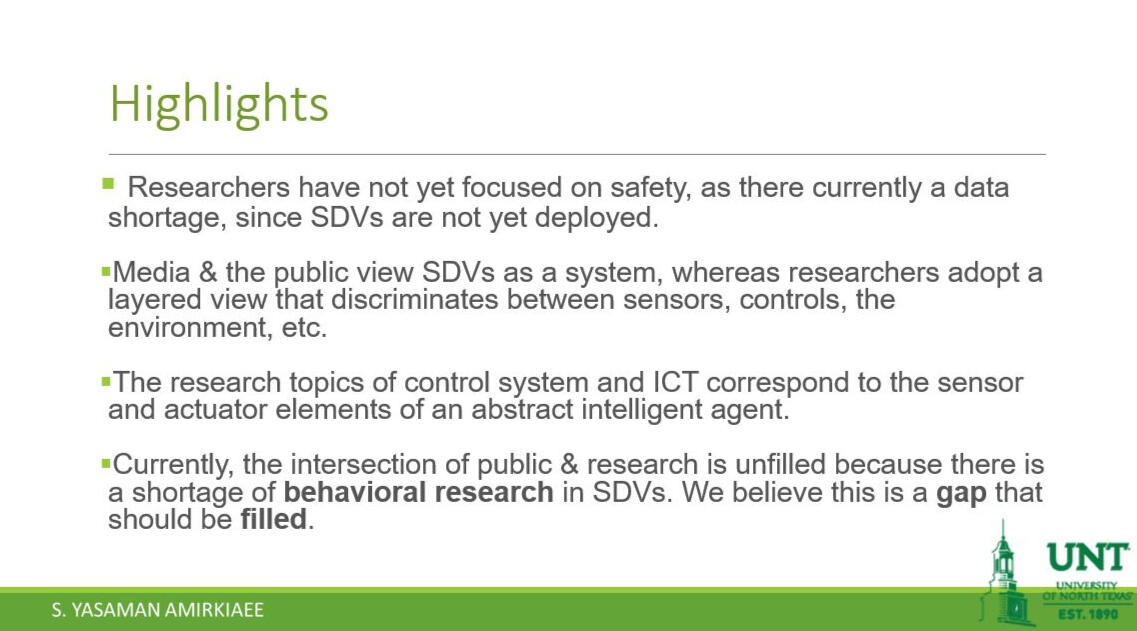
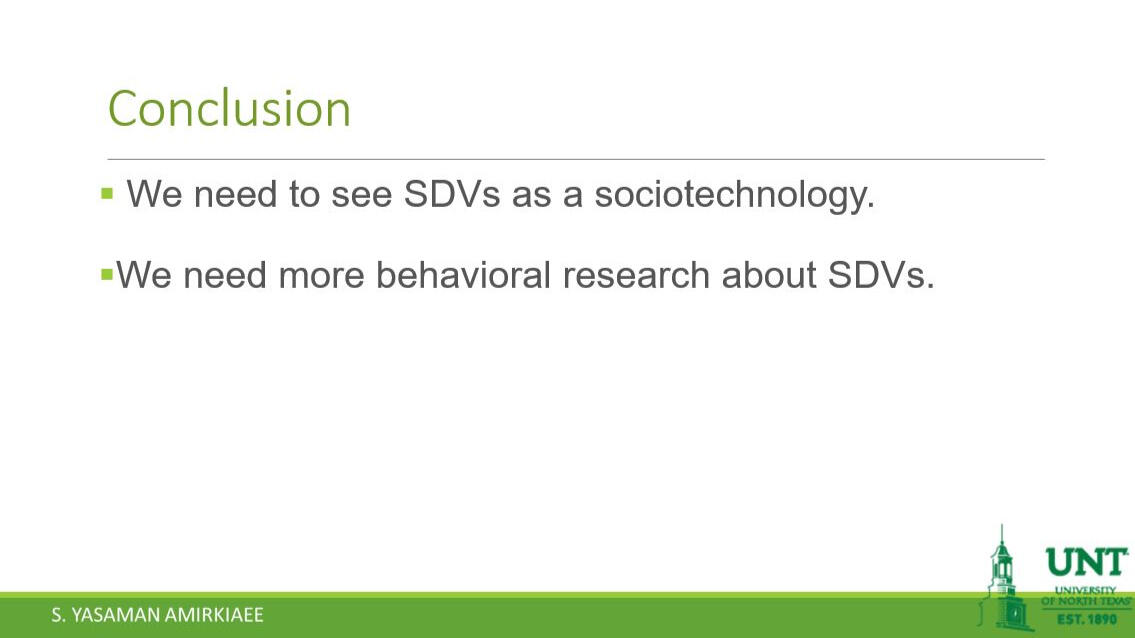
Self-Driving Vehicles (SDVs) needs to be seen as a sociotechnology.There is a need for more behavioral research about Self-Driving Vehicles (SDV)
Stakeholders' opinion, Public opinion, Social media research, Opinion mining, Text analytics, Latent semantic analysis, MS Excel, SAS EM


The Shifting Public Opinion on Self-Driving Vehicles
Oct 2018 – Nov 2018
Presented in 2018 DSI Annual Meeting, Chicago, 17-20 November
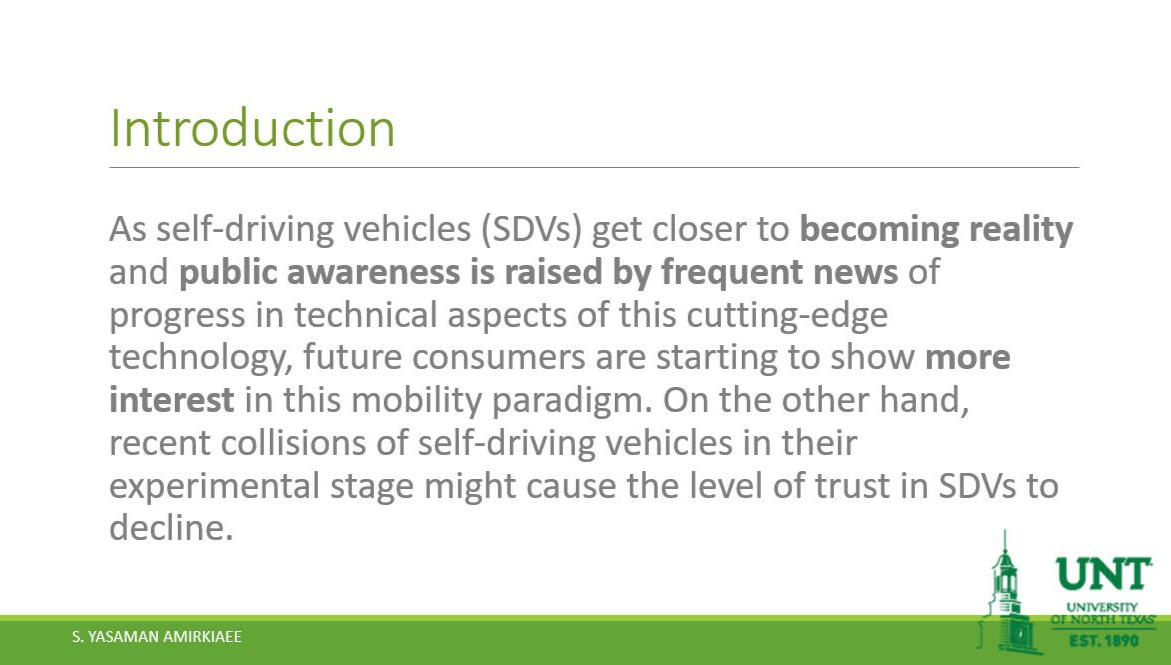
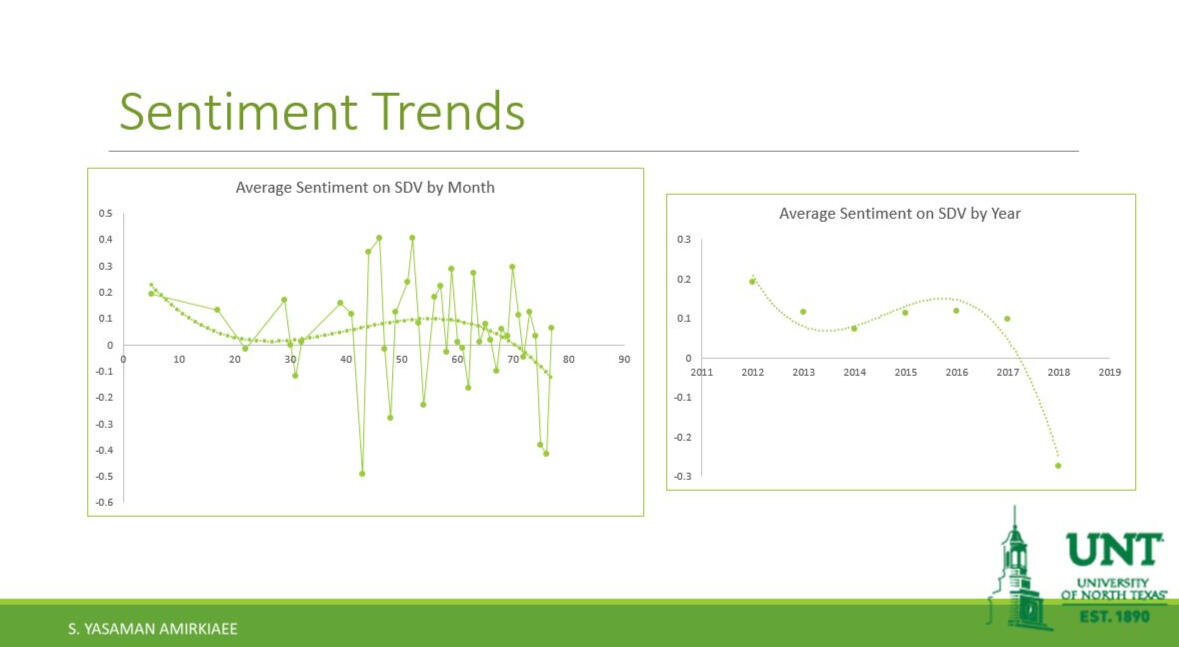
Using sentiment analysis on chronological data from public comments, I explored the temporal shift in public opinion on SDVs and test a hypothesis regarding the nature of its trend
Hypothesis: When people have higher expectations they will produce more positive comments on social media.
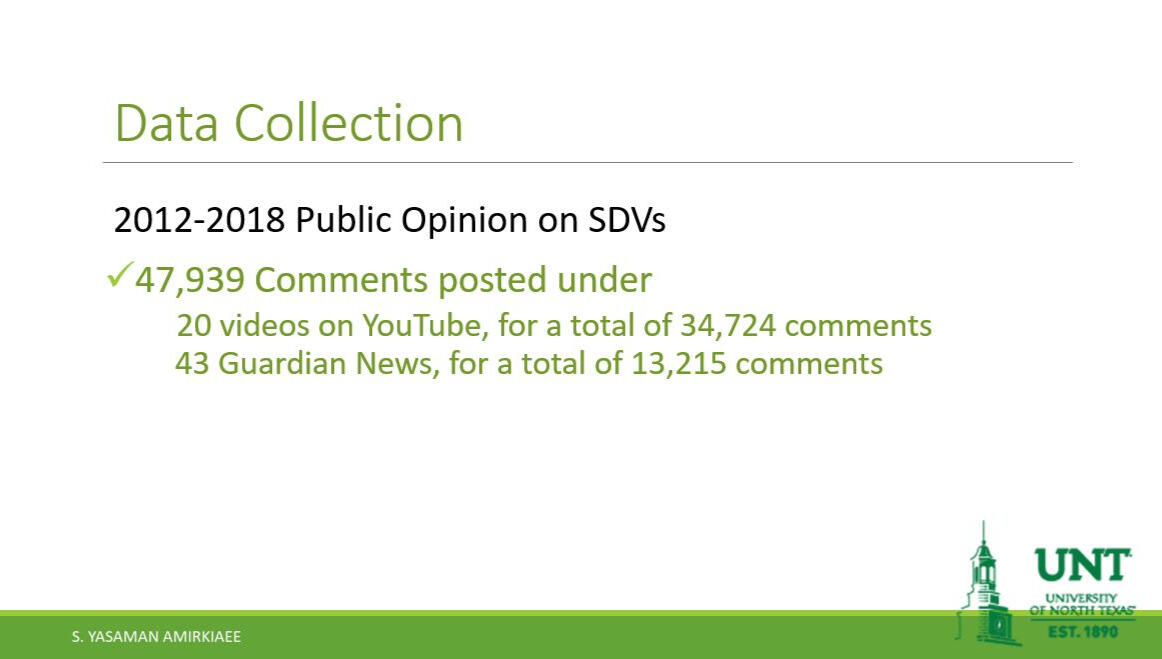
Data collection: 2012-2018 public opinion on Self-Driving Vehicles
47,939 Comments posted under:
20 videos on YouTube, for a total of 34,724 comments
43 Guardian News, for a total of 13,215 comments
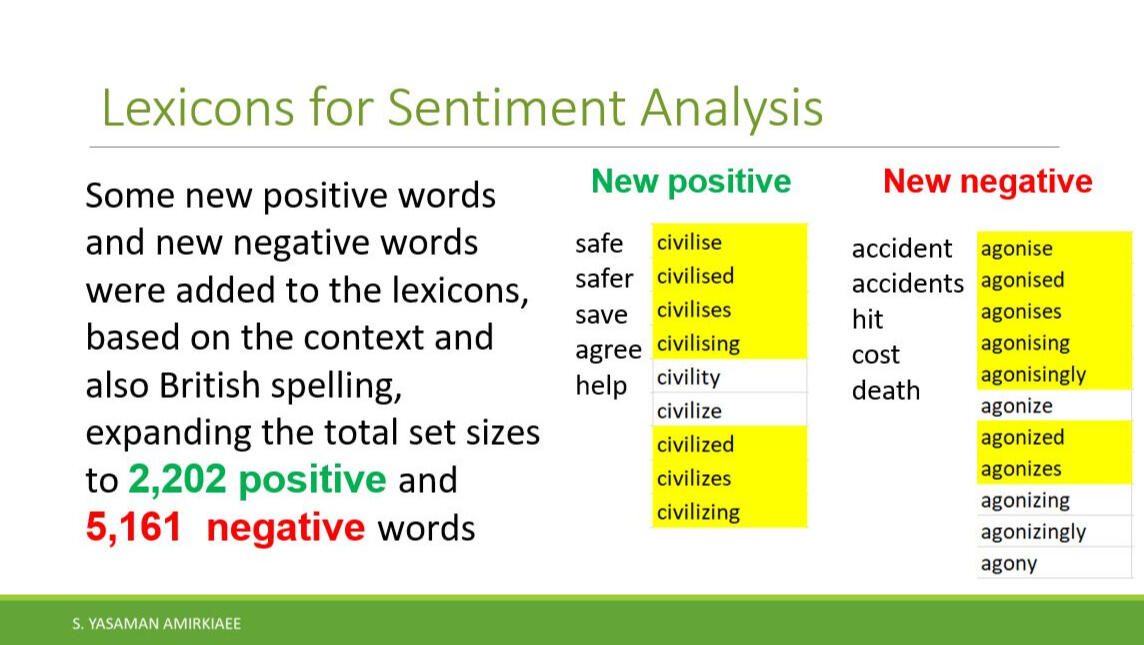
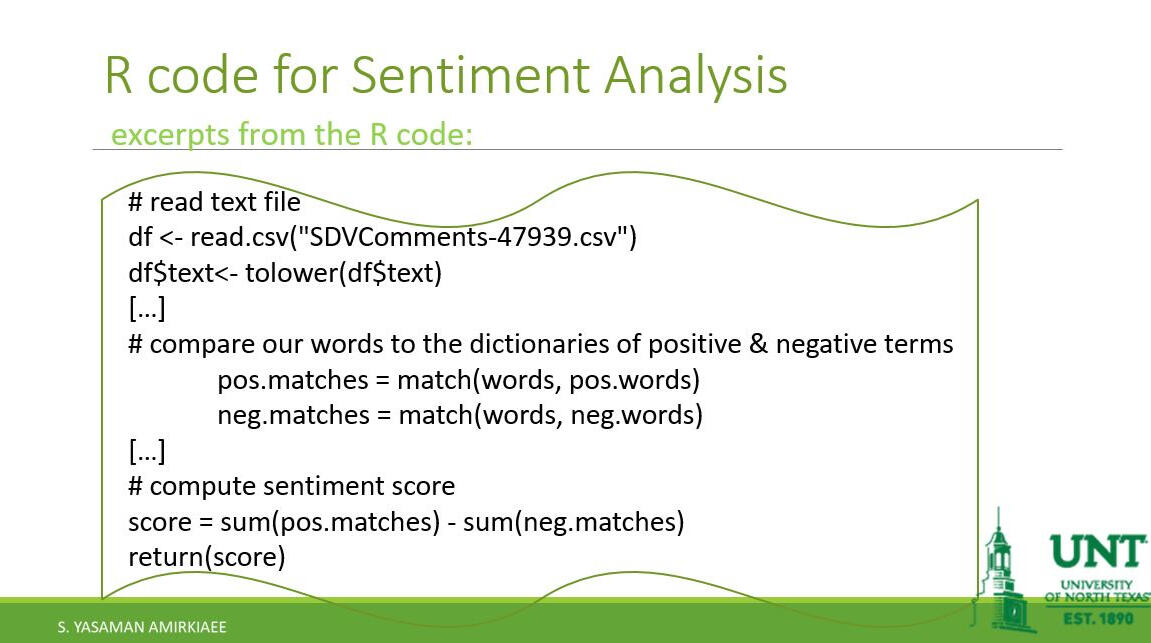
Analysis: Sentiment analysis, using R code
Research Insights:
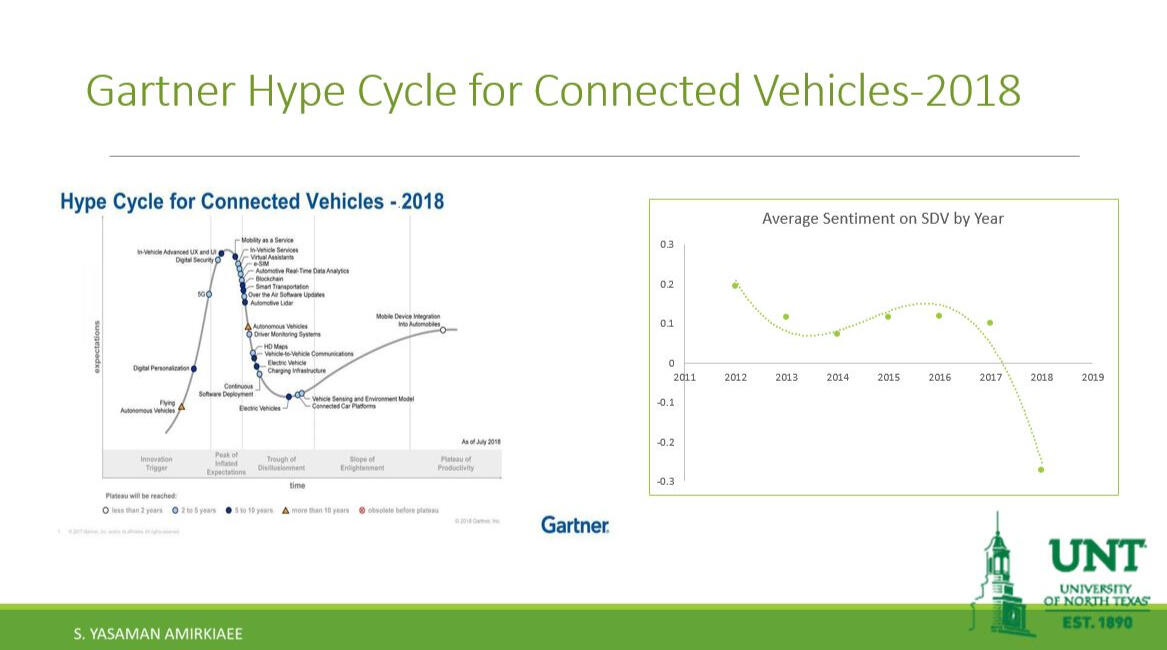
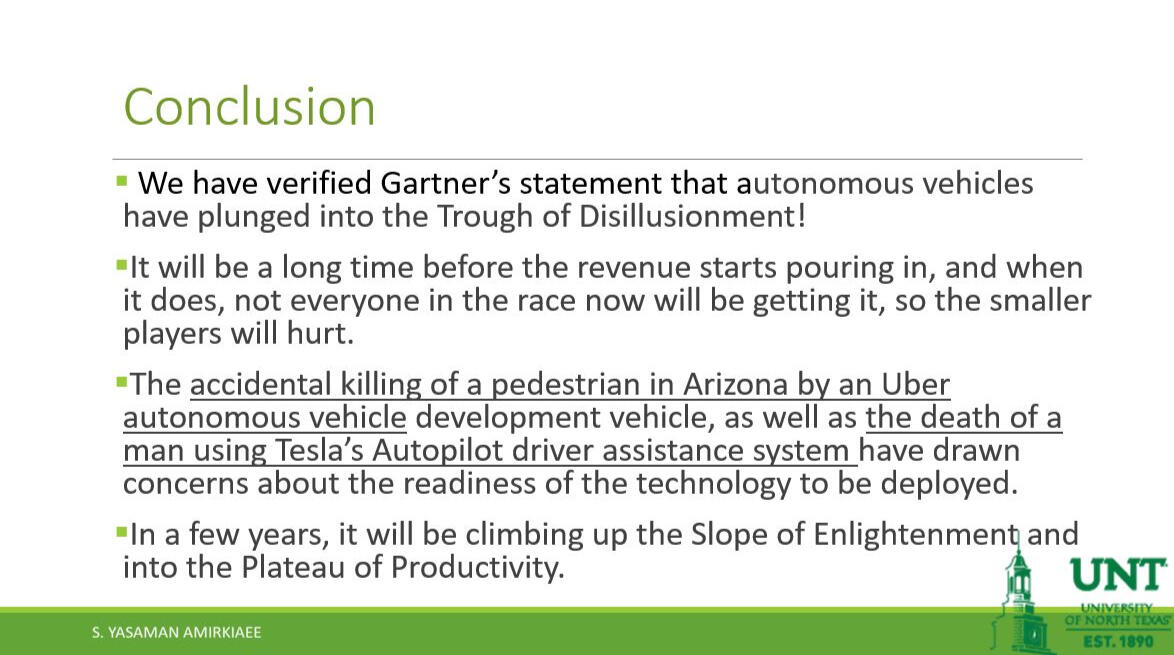
We have verified Gartner’s statement that autonomous vehicles have plunged into the Trough of Disillusionment!It will be a long time before the revenue starts pouring in, and when it does, not everyone in the race now will be getting it, so the smaller players will hurt.The accidental killing of a pedestrian in Arizona by an Uber autonomous vehicle development vehicle, as well as the death of a man using Tesla’s Autopilot driver assistance system have drawn concerns about the readiness of the technology to be deployed.In a few years, it will be climbing up the Slope of Enlightenment and into the Plateau of Productivity.
Public opinion, Trend analysis, Opinion mining, Text analytics, Sentiment analysis, Social media research, MS Excel, R